
[scroll down to see course information]
Ecology and Politics [POL S 333A1]
T/Th 11:00-12:20 in Tory 3-65
Instructor: Professor Laurie Adkin [ladkin@ualberta.ca]
Description: The evidence is all around us that we are living through an ecological, social, and political “polycrisis” – a moment that many are calling the end of the Holocene epoch, or the end of the world as humans have known it for millennia. While critical political ecologists and ecological economists attribute the surpassing of “planetary boundaries” and the breakdown of ecosystems to capitalism, patriarchy, colonialism, and racism, the dominant responses to these crises from governments have been reliance on capitalist markets (green capitalism) and technological break-throughs (Promethean faith in “human ingenuity”). Climate justice movements—often led by or allied with Indigenous peoples—demand “system change,” and are engaged in trench warfare with actors deeply invested in the fossil-fuelled, capitalist economy.
What is the “green economy” now supported by big business, and why do ecological economists, climate justice activists, and Indigenous leaders reject its premises and promises? What do they propose as alternatives? These are questions asked in Pol S 333, Ecology and Politics.
Green Transition in Canada [POL S 470A1/540A2]
Wed 1:00-3:50 location TBA
Instructor: Professor Laurie Adkin
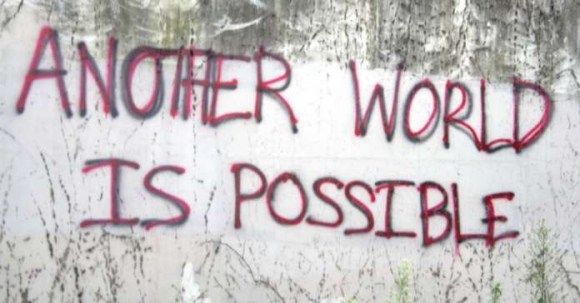
Description: This course takes a critical political economy approach to understanding both the limitations of current policy approaches to the climate crisis (and related environmental crises) and the case for more transformative approaches. Students are introduced to concepts such as “fossil capitalism,” “climate capitalism,” and “climate justice,” and to the range of actors that are engaged in climate policy battles in the Canadian context. They will have an opportunity to explore proposals for deep decarbonization, democratization, and decolonization that have been largely outside the framework of mainstream climate policy but that have support from climate justice movements and experts in multiple fields related to ecological sustainability.

Human Geography [HGEO 452B1/552B1]
Wed 14:00-16:50 location TBA
Instructor: Professor Rob Shields [rshields@ualberta.ca]
Description: This course focuses on reading and understanding the reports of the International Panel on Climate Change (IPCC) to give a firm basis for discussions of global heating, greenhouse gases and environmental change. The first half provides an introduction for both science and non-science students to climate change and includes consideration of environmental humanities and social critiques of the concept of the Anthropocene, anthropocentric understandings of the environment and the politics of science communication of the changing science of global heating. The second half is thematic: students select topics such as wildfires, glacier melting, coastline erosion and sea level rise, urban heat, peatland release of carbon and methane etc. The course includes a visit to the Canadian Ice Core Lab and archive on campus and students are encouraged to organize out-of-classroom activities.

Relating to Climate Change [POL S 305A1]
Wed 9:00-11:50 in Tory 12-15
Instructor: Professor David Kahane [dkahane@ualberta.ca]
Description: This course takes mainstream climate science and social science as its starting point: historical GHG emissions are already increasing extreme weather, droughts, floods, fires, and other impacts, with devastating effects on humans and ecosystems. Every year that goes by without dramatic reductions in GHG emissions increases threats to current and future generations.
Against this backdrop, our course takes up connections between climate emotions, climate change, and systems change. We’ll consider questions like…
1) Climate emotions: What kinds of embodied, affective reactions do we and others have to climate disruption and climate emergency? How might we and others shut out knowledge of climate catastrophe in our everyday embodied and affective lives? What are the varieties of climate emotion and how might climate emotions be shaped by social position and standpoint, privilege and oppression, and other factors? How does our consciousness in relation to climate change shape political behavior and possibility?
2) Climate change and systems change: What kinds of political responses might be adequate to the challenge of climate change? Are the dominant institutions of liberal democratic capitalist states capable of addressing the climate emergency? Is a more revolutionary state politics needed? Or do adequate responses need to come from below: from Indigenous nations, grassroots resiliency, and rejections of the state? How do dominant systems and dissident practices shape individual consciousness and behavior in relation to climate change?
We’ll sort through these intermeshing questions with the help of scholarly and popular texts from across disciplines and through careful collective inquiry that draws on our first-person experiences.
***************************
Relating to Climate Change [POL S 410/514 winter term]
Th 9:30-12:20 in Tory 12-15
Instructor: Professor David Kahane
Description: Highly participatory course exploring climate change, systems change, and how we relate to climate emotions. See the description above, for Pol S 305A1.

Topics in Political Theory: Nature [POL S 302A1]
MWF 10:00-10:50 in Tory B-96
Instructor: Professor Didier Zúñiga [didier@ualberta.ca]
Description: The aim of this course is to undertake a critical examination of prevailing conceptions of ‘nature’. This includes questioning what is nature, who and/or what is said to form part of it, what is the relationship between social and ecological systems, among others. The main goal of the course will be to engage with a wide array of interdisciplinary scholarship with the aim of learning to ecologize how we think about ethics and politics. This will involve interrogating the disconnection between humans and nature, and problematizing the perspectives and frameworks through which nature is conventionally approached. This will also require paying attention to the notion of the Anthropocene and scrutinizing the underlying conception of the human being (Anthropos) that such notion presupposes. This will allow us, in turn, to shed light on the ways in which dominant social systems subordinate, control, commodify, and exploit that which falls beyond prevalent notions of what it means to be human. In response to this, we will think about how to cultivate ethical practices of deep listening, receptivity, and responsiveness to the multiplicity of beings—human and nonhuman—that inhabit the world. Moreover, we will ask what ways of relating to nonhuman life should be nurtured and protected and which should not. Our purpose will be to equip ourselves with the necessary tools to challenge the underlying logic of mastery that drives the domination of nature, and thereby to articulate alternative political possibilities.
Sustainability and Care of the Earth [POL S 298B3]
T/Th 14:00-15:20 in Tory B-108
Instructor: Professor Didier Zúñiga
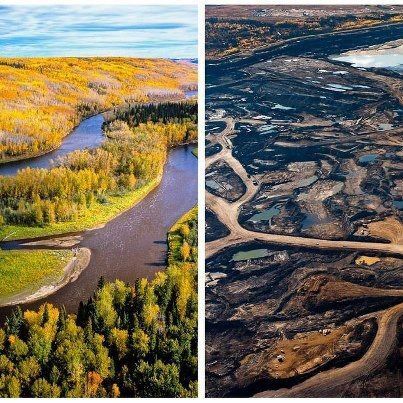
Description: This course will focus on the relationship between social systems and ecosystems amidst the pervasive environmental destruction and transformation the Earth is facing. While acknowledging the irreversible damage and large-scale modifications caused by hegemonic social systems, our primary focus will be on exploring ways to sustain life and to maintain its diversity. We will dedicate significant attention to learning from alternative ways of relating to the Earth. One of our main goals will be to find direction and purpose in the face of unprecedented climate change, mass extinction, and the disruption of planetary life-support systems. These interconnected challenges foster a prevailing sense of meaninglessness—a sentiment reminiscent of Donna Haraway’s description of our epoch as “disturbing times, mixed-up times, troubling and turbid times.” In light of this, we will think deeply about how to connect and resonate with the multiplicity of beings and ecological systems that inhabit the world, and thereby to advocate and care for marginalized voices and experiences—human and nonhuman. Moreover, we will also interrogate and problematize prevalent understandings of what sustainability is and what it is not. Indeed, the notion of ‘sustainability’ has been co-opted into the language of consumerism, commodification, and business-as-usual economic growth, as reflected in the contentious yet widely embraced idea of ‘sustainable development’. In view of this, we will strive to approach sustainability from transformative perspectives. By doing so, we will aim to deepen our understanding of the ethical foundations and commitments necessary for the harmonious coexistence of human societies and nature.
Feminist STS, New Materialisms, Posthumanism [POL S 410/514B4]
Monday 9:00-11:50 in CAB 369
Instructor: Professor Didier Zúñiga
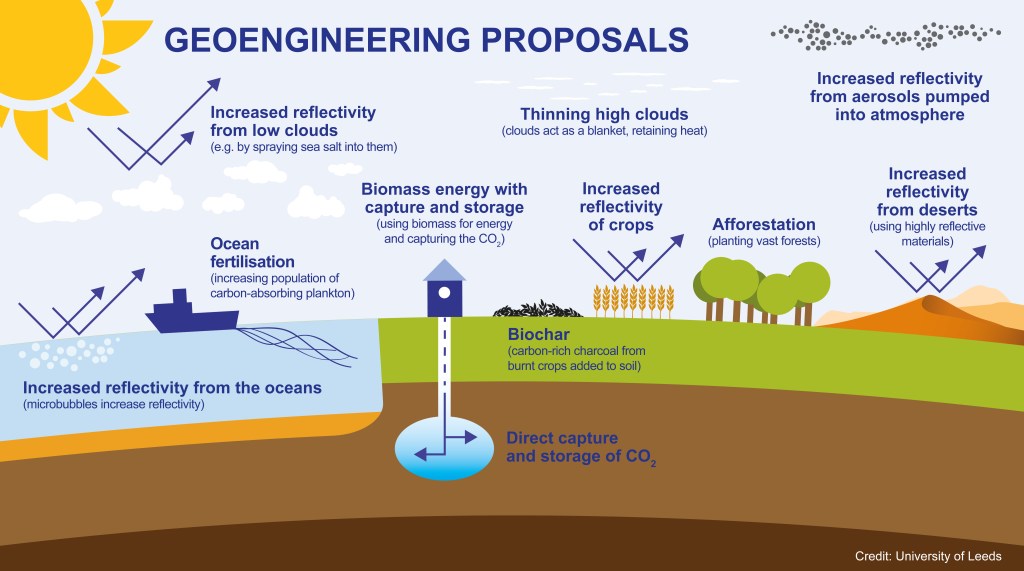
Description: This course will focus on how science and technology have been used to respond to the challenges of anthropogenic climate change. The main goal of the course will be to engage with feminist science and technology studies, new materialisms, and posthumanism with the aim of identifying and interrogating ingrained assumptions about what counts as scientific knowledge, how it is produced and by whom, how it is applied, and for what specific purposes. We will pay attention to how western scientific knowledge and practice are shaped by histories and intersections of patriarchy, masculinism, colonialism, racism, ableism, as well as to how power, domination, and mastery operate within the formation of such knowledge. The interdisciplinary body of scholarship that we will read and discuss will help us both rethink western science and technology’s claims to universality, objectivity, and rationality, as well as to imagine other, better ways of relating to the living world.
Climatology [AUENV 231–Fall term]
T/Th 12:00-13:30 LEC and LAB Tues 14:15-17:15 in Augustana C114
Instructor: Professor Glen Hvenegaard [gth@ualberta.ca]
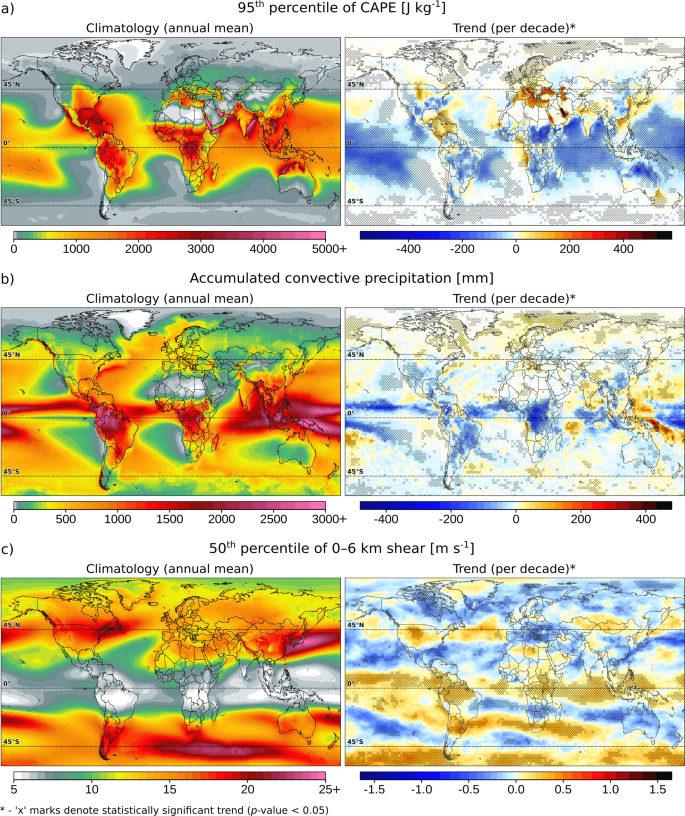
Description: Study of (1) elements and processes of climate and weather; (2) distributions and regional patterns of climates; and (3) interrelationships among climates, plants, animals, and people.
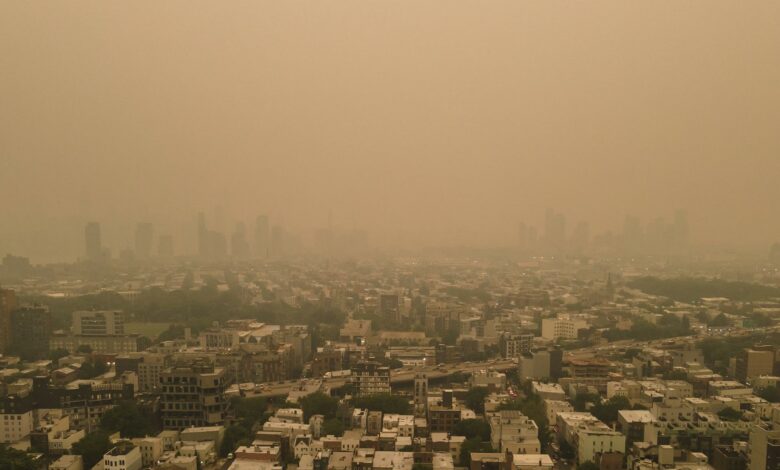
Climate Change and Health [SPH 556–Winter term]
Offered online, time TBA
Instructor: Professor Sherilee Harper [sherilee@ualberta.ca]
Description: Climate change has severe and wide-sweeping consequences for humanity with important threats to human health and wellness. With health impacts ranging from heat-related deaths to infectious diseases (e.g., waterborne, foodborne, vector borne, and zoonotic diseases) to malnutrition to mental health to health service disruption and beyond, climate change is considered one of the biggest health challenges of the 21st century. This course focuses on how climate change is already impacting our health, and how we can diminish those impacts. Students will examine how past and future climate change hazards, exposures, and vulnerabilities shape health risks. Case studies will demonstrate how health equity, intersectionality, and social determinants of health can mediate or amplify risks. Students will apply vulnerability assessment tools to identify and prioritize effective and feasible adaptation and mitigation actions. Through discussion, teamwork, and real-world examples, students will apply principles of transdisciplinary, systems thinking, equity and justice, sustainability, complexity, Indigenous Peoples’ Rights, and community engagement to not only understand climate change impacts on health but to also move into the solution space.
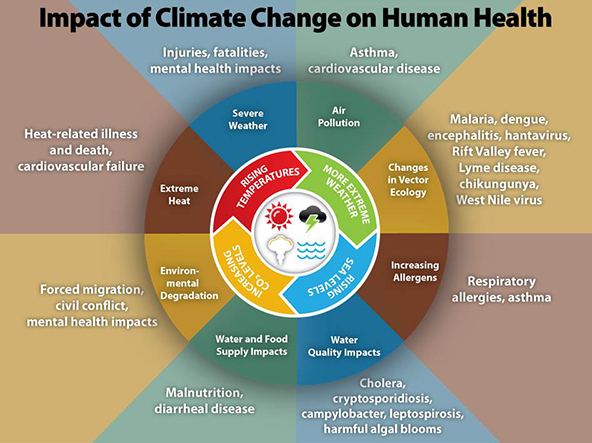
Hot Topics in Climate Change and Health [SPH 557]
Offered online, time TBA
Instructor: Professor Sherilee Harper
Description: Climate change and health is a rapidly emerging field with exponentially increasing research outputs and expanding areas of practice. Climate change topics increasingly demand the public’s attention, including news headlines, local to international policies, images of increasing extreme weather events, climate strikes, government election platforms, and increasing international reports on climate change impacts. Climate change is a hot topic! Alongside this rapid pace of climate change developments is the urgency for health action and immediate attention. Therefore, this course explores the health dimensions of hot topics, emerging themes, and current events in climate change as they occur in real time around the world. Through the discussion of current global to local issues at the climate-health nexus, students will deepen their understanding of climate change and health research, policy, and practice. Discussion, teamwork, and projects will enable the application of climate change and health theory to real time climate change and health theory to real time climate change events.

Climate Change and Health Integrative Project [SPH 558–Fall term]
offered online, time TBA
Instructor: Professor Sherilee Harper
Description: Public health needs a climate change action plan now. Human health is intertwined with the stability of our climate, making climate change a threat to any vision of a healthy future. Serving as the culminating and integrative experience of the Climate Change and Health Graduate Embedded Certificate, students will apply and expand knowledge gained throughout their coursework to engage in high-level inquiry focusing on climate change and health. Students will apply a climate change lens to health programs, policy, research, and decision-making, and explore how to integrate climate change dimensions into all health actions.
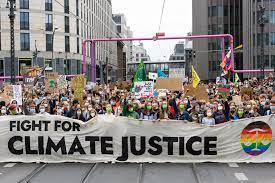
Special topics: Climate Justice and the Commons [SOC 402/502–Winter 2024]
Friday 9:00-11:50 in Tory B–65
Instructor: Professor Sourayan Mookerjea [sourayan@ualberta.ca]
Description: This course invites students on a back-stage tour of my current research project Feminist Energy Futures: Powershift and Environmental Social Justice. The course explores the politics of climate justice as this is embedded in the politics of environmental justice which, in turn, is embedded in the politics of social justice. Climate justice requires a “civilizational transition” beyond fossil-racial capitalism which is now in deep crisis, especially as the COVID-19 pandemic has aggravated a range of socio-ecological and economic crises that have been unfolding around the world for quite some time. In this course, we will closely examine the relationship between the crisis-prone character of this dominant, growth-based world- ecological economy and the deepening of environmental and climate injustices. The course foregrounds perspectives of Indigenous Peoples and of Environmental Justice movements in the Global South on the meaning and content of climate justice and takes a deep dive into eco-feminist theory, degrowth theory, world-ecology, political ecology and the theory and praxis of defending and regenerating new and ancient commons.
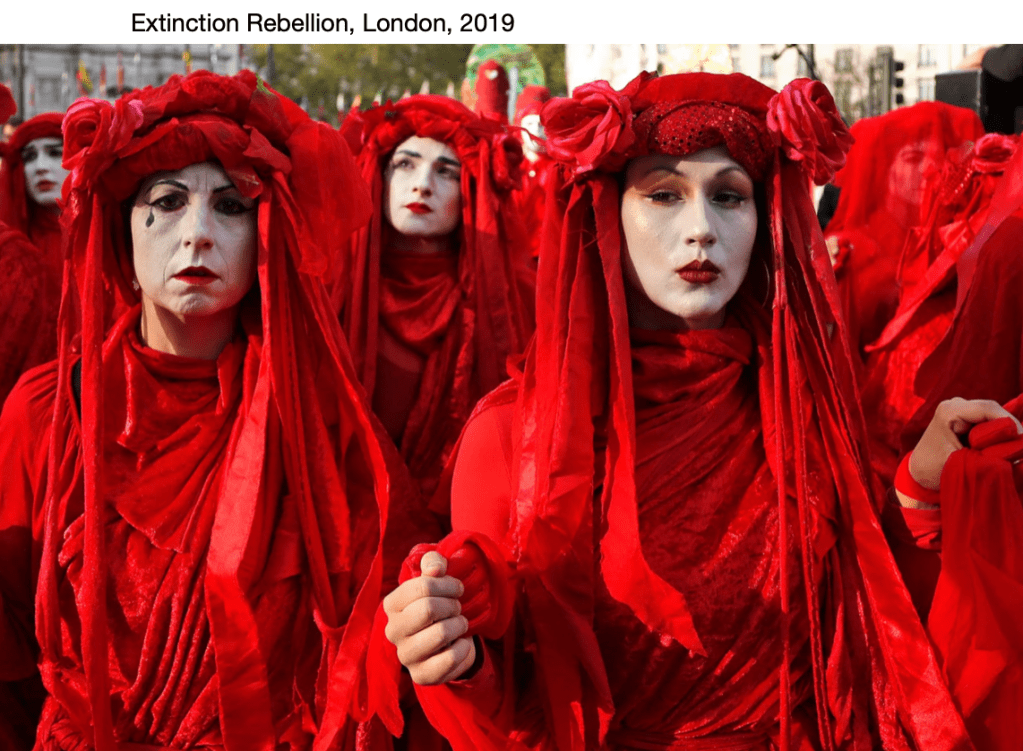
Shakespeare and Ecological Crisis [ENGL 426A1]
MWF 15:00-15:50 in HC 2-30
Instructor: Professor Carolyn Sale [sale@ualberta.ca]
Description: The latest report from the United Nations’ Intergovernmental Panel on Climate Change (IPCC) contends that humanity has a mere ten years to act to save itself and non-human life on the planet. The Shakespearean drama helps us think ecologically in the face of humanity’s existential crisis as well as about humanity’s responsibilities to Earth’s non-human life.
We will study the two Shakespeare plays most frequently invoked by environmental protestors and scholars in relation to climate emergency, A Midsummer Night’s Dream and Macbeth, and then move on to the two later plays that most urgently demand we think ecologically and find ways to act in support of life, King Lear and The Tempest. From Dream’s fairy-filled forest to Macbeth’s murderous Scotland and Lear’s blasted heath to the Tempest’s “spell-stopp’d” island, these four plays give us several points-of-departure into our topic, which we will develop in relation to select secondary readings including selections from Robin Kimmerer’s Braiding Sweetgrass (2013), Tyson Yunkaporta’s Sand Talk: How Indigenous Thinking Can Save the World (2019), and Catherine Keller’s Political Theology of the Earth (2018), and historically-oriented scholarship such as Carolyn Merchant’s classic Death of Nature, Jason Moore’s “Capitalocene,” Amitav Ghosh’s The Nutmeg’s Curse: Parables for a Planet in Crisis, and Jairus Victor Grove’s Savage Ecology: War and Geopolitics at the End of the World. Our key questions: how did these four plays help Shakespeare’s original audiences think ecologically, and how might they help us now?

Environment, Science, Culture and Values [STS 210A1]
MWF 12:00-12:50 in ESB 1-31
Instructor: Professor Richard Kover [kover@ualberta.ca]
Description: A basic introduction to core concepts and issues in the Environmental studies and the environmental humanities.
Special Topics in Psychology (Ecopsychology) [PSYCH 305X03]
Wed 17:30 – 20:30 in Tory B-38
Instructor: Professor Richard Kover
Description: An examination of core concepts and issues in the field of ecopsychology

Applications in Sustainability [AUENV 220-1B01]
MWF 8:30-9:30 in AU C103
Instructor: Professor Greg King
Description: This course will provide an introduction to the history of sustainability as a concept, contemporary sustainability issues, and some of the diverse perspectives that can be held approaching sustainability. The course will especially focus on introducing aspects of sustainable development especially as it relates to the implementation of the United Nations Sustainable Development Goals (SDGs).
Human society has grown in size and in our overall levels of production and consumption. It has been clear for some time that our trajectory is causing tremendous harm to the natural systems which we depend upon and that the benefits of our economic growth are not distributed in an equitable manner. In sum, our current trajectory is not sustainable.
Governments, our economic system, and our informal and formal social institutions all have an influence on our growth and our long-term sustainability. This course explores those relations and will critically examine aspects of this development and specifically focus on the SDGs. The course takes a broad perspective. Students will be able to gain an understanding of the interconnectedness of the sustainable development goals, and the environmental, economic, and social dimensions of sustainable development. Students should feel comfortable taking it regardless of where they currently stand on environmental issues. The course includes the following topics:
- Development, economic growth, societal benefits, and environmental harm
- The rise of sustainability as a concept
- The history and context of international sustainable development (e.g., the Brundtland Report, the UN system, the 1992 Rio Summit/Declaration, the Millennium Development Goals (MDGs), the 2030 Agenda, and the Sustainable Development Goals)
- Social dilemmas, common property, and collective action
- Economic approaches to environmental protection
- Environment, climate change, development, and the SDGs
- Sustainability transition and implementing and measuring progress towards the SDGs at international, national, and local levels
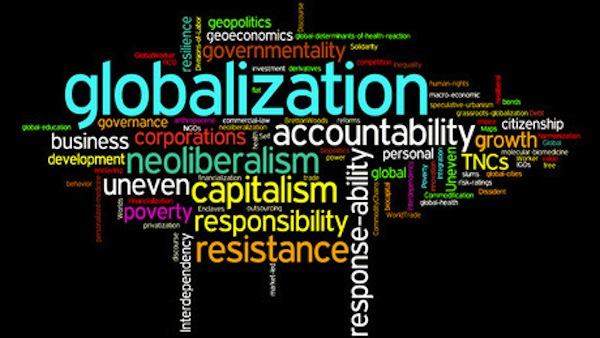
Introduction to Globalization [SOC 269 Fall 2023]
MWF 14:00-15:20 in Tory B–87
Instructor: Professor Sourayan Mookerjea
Description: This course examines the two major “waves” of globalization from 1492 to the present which underpins our contemporary business as usual, racial capitalist world-economy and world-ecology. The course introduces students to concepts of ecologically unequal exchange, accelerating social metabolism, climate debt, and examines the relationship between economic growth, environmental degradation and environmental injustices. In all this, our focus is on the inter-relationships between global social crises and planetary ecological crises as well as on the politics of environmental justice and social transformation.

Racism and Decolonization [SOC 370 Fall 2023]
MWF 11:00-12:20 in ED 165
Instructor: Professor Sourayan Mookerjea
Description: This course examines the historical formation of interlocking oppressions by placing Canadian society in a global history of multiple colonialisms. We investigate how interlocking oppressions shape climate and environmental injustices through environmental racism and through racialized geographies of entropy dumping and sacrifice zones. The course also examines the challenges and possibilities of anti-oppression decolonization and abolition.
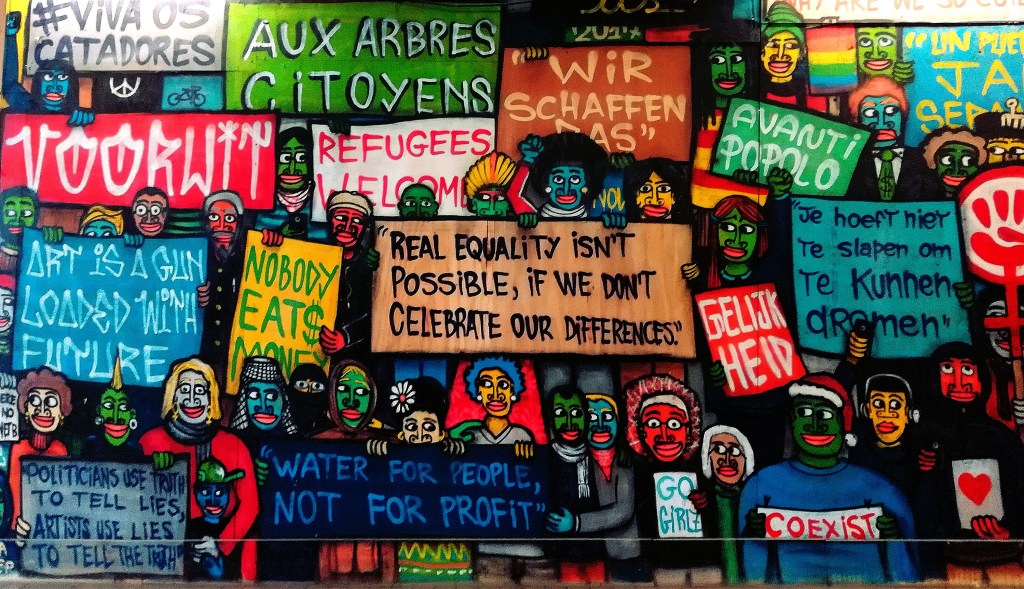
Sustainability 300A1 [SUST 300A1]
T/Th 11:00-12:20 in ED 265
Instructor: Professor Monica Gruezmacher gruezmac@ualberta.ca
Description: This course involves a close examination of environmental conflicts within the context of social ecological systems. It begins by conceptually examining social ecological systems and their elements and interactions, as well as the role of collective decision making. We will focus on the different factors that shape and steer collective decision making, like the coupling between roles and rules and power and knowledge dynamics. The course will also explore some recent environmental conflicts related to mining, fisheries and agriculture that have taken place (and continue to take place) in different geographical regions, including Africa and North and South America. Rather than provide prescriptive solutions or one-size-fits-all approaches for solving environmental conflict, the course will focus on understanding the mechanics that structure and shape it. We will explore conflict mapping as a method to not only disclose the mechanics of conflict but also to better comprehend the context where conflict takes place and the series of events and decisions that lead to it. Through a combination of lectures, readings and group work, students will have the opportunity to explore environmental conflicts and analyze ways in which they could be better understood and managed.
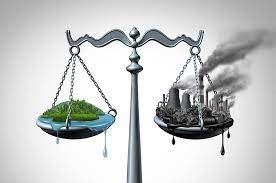
Climate Change Law [LAW 599 B03]
T/Th 09:00-10:20 Law Centre 430
Instructor: Professor Adebayo Majekolagbe
Description: The course is designed to stimulate critical thinking about climate change law both as an international and domestic construct. The class is encouraged not to take law as a ‘given’, but to situate it in its ecological and socio-economic contexts. We consider climate change legal frameworks under three modules. Module one focuses on international climate change law: history, principles, law, and institutions. In module two, we consider climate change law in Canada, contestations surrounding its development, the role of the courts, and the responses of federating units and private entities. The issues arising in global climate change governance including the increasing linkage between climate change and human rights, the buzz around just transition, and law and climate engineering are turned to in module three. At the end of this course, students will have an in-depth understanding of international and domestic climate change law, be able to engage in critical reflection and analysis of climate change as a super-wicked complex problem, undertake independent and thoughtful legal research, and engage in strategic and effective oral and written communication on climate change laws and policies.
.
 Climate Action Coalition at the University of Alberta